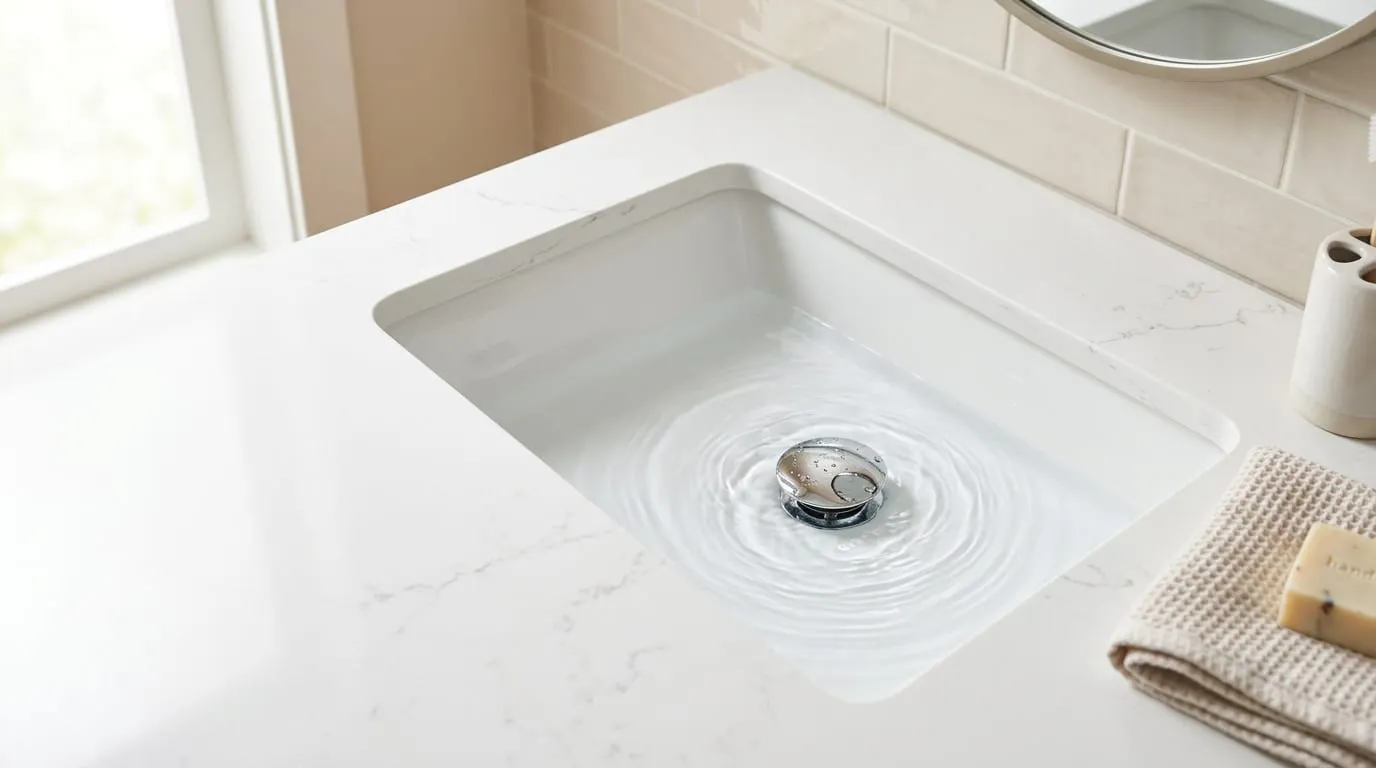
A slow sink is easy to postpone because it still works, just not well. Water circles for a while, eventually disappears, and you decide to deal with it another day. But a slow drain is an early warning. Buildup is narrowing the pipe, and clearing it now is usually easier than dealing with a completely blocked sink later.
The best fix depends on the fixture. Bathroom sinks tend to collect hair, toothpaste, soap, and skincare residue. Kitchen sinks collect grease, food particles, and sludge. Start with the local, visible causes first. Then use the symptoms to decide whether the clog is probably in the sink, the trap, or farther down the line.
For the full drain hub, visit How to Unclog a Drain.
A slow sink is easy to ignore; it still works, until it doesn't. Snap a photo now and HomeFlash will tell you whether five minutes with a plastic tool clears it, or whether it's already past that point.
A drain slows when the opening inside the pipe becomes smaller. Common reasons include:
A single slow sink usually points to a local fixture issue. Several slow drains may point to something larger.
The pop-up stopper is one of the most common sources of bathroom-sink buildup. Pull it out if it is removable. Some need the pivot rod under the sink disconnected first. If that feels unfamiliar, do not force it; use a plastic drain tool around the stopper instead.
Look for hair, dark slime, toothpaste residue, and soap buildup. Clean the stopper, rinse it, reinstall it, and test the sink before moving to more involved steps.
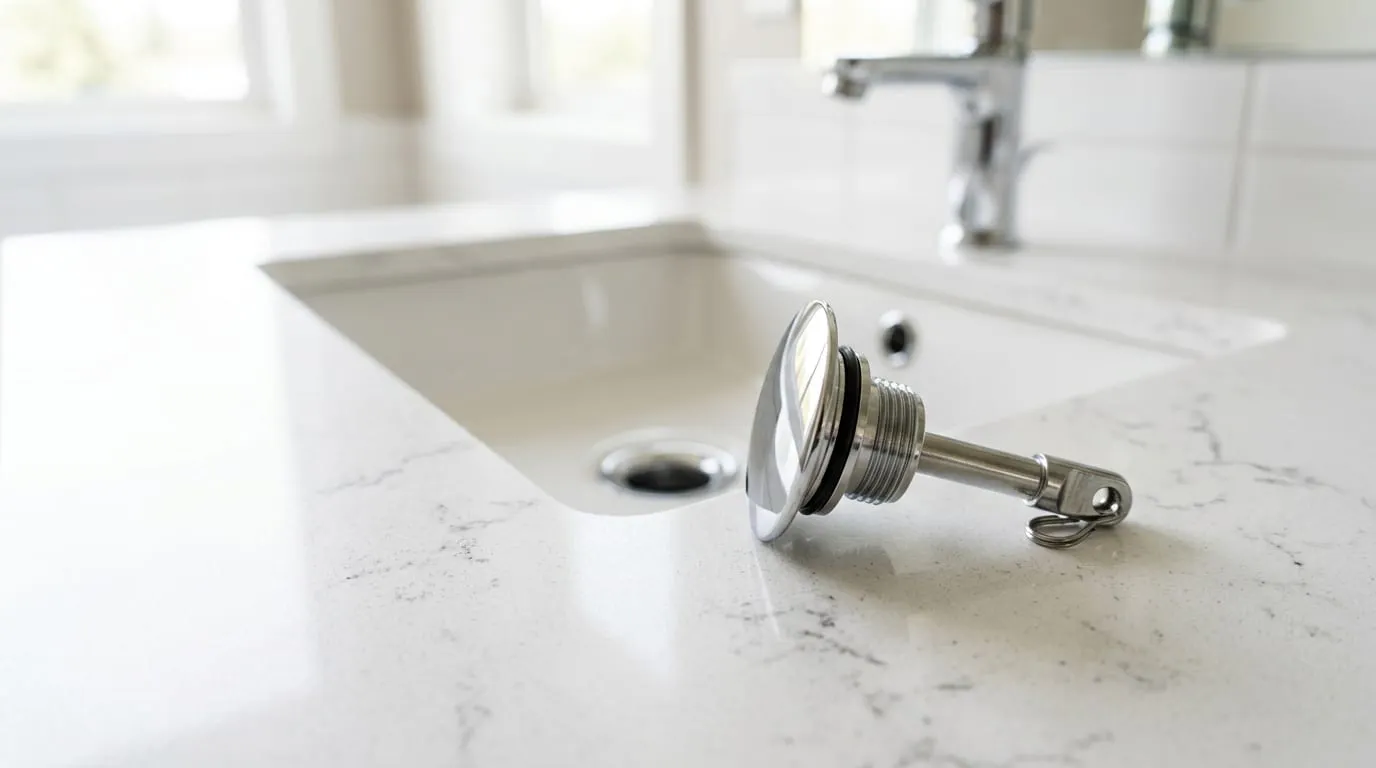
Use gloves and a plastic tool. Feed it a few inches into the drain, twist lightly, and pull it out. This is usually the best first answer for hair and soap buildup.
If flow improves, run warm tap water for a minute. Avoid boiling water, especially in older homes or when you do not know the piping material.
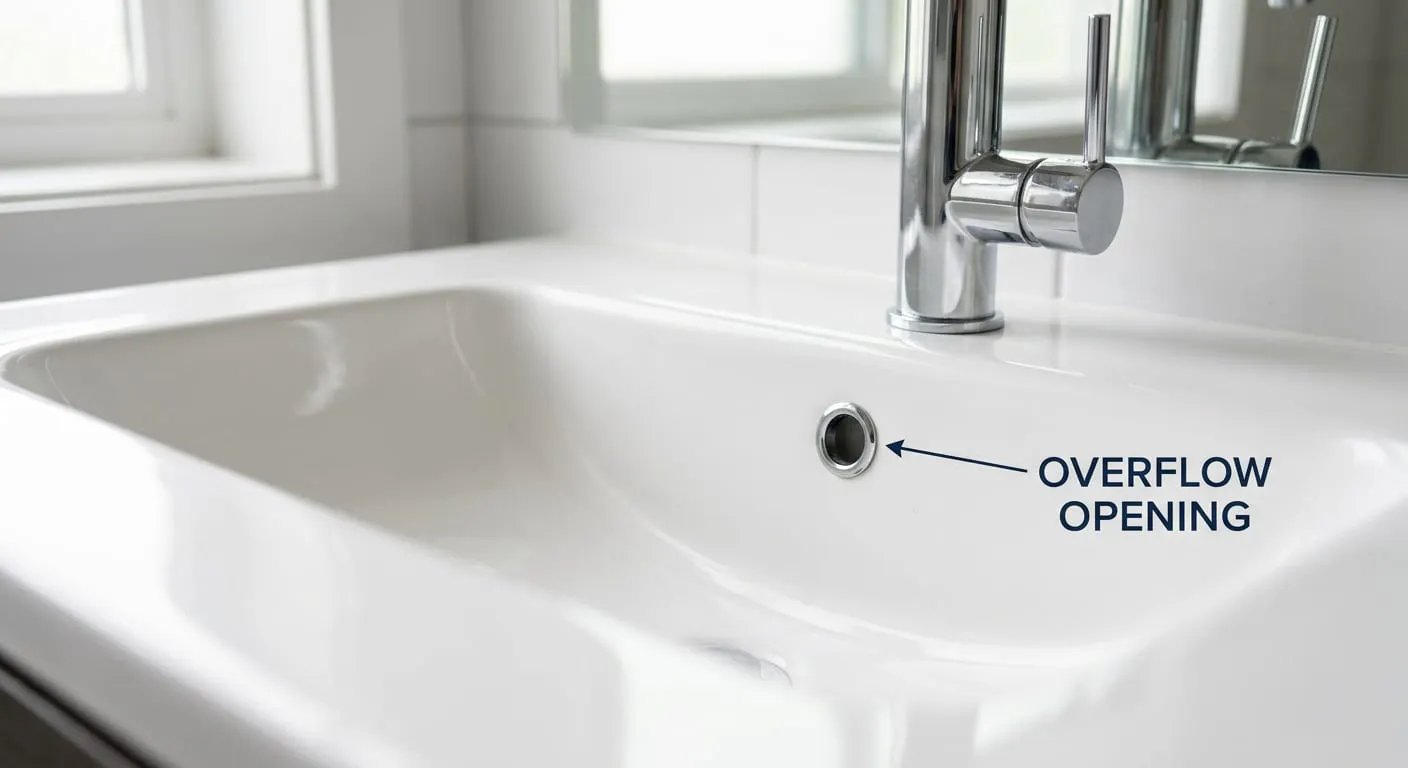
Add enough water to cover the cup, cover the overflow opening with a wet rag, and use controlled strokes.
Related: Plunger Not Working? Try This Before Calling Anyone
Place a bucket under the curved P-trap, avoid this entirely if chemical cleaner was used, and loosen accessible slip nuts by hand. Clean the trap, inspect washers, reassemble carefully, and test for leaks.
We go over how to clean a P-trap in How to Unclog a Drain, but here is an abbreviated step by step guide:
Step 1: Clear the cabinet and slide the bucket under the trap before you touch anything. The water drains the moment you loosen it.
Step 2: Loosen both slip nuts by hand first, pliers only if they won't budge. Plastic cracks if you force it.
Step 3: Slide the trap off and dump it into the bucket. Rinse it out elsewhere.
Step 4: Brush out the inside. Check the washers, a cracked one is the usual reason a "cleaned" trap starts dripping again.
Step 5: Reattach and hand-tighten both nuts. Add a quarter turn with pliers only if it drips.
Step 6: Run water for a minute and check both joints. A drip means tighten more or replace the washer. No drip and faster drainage means it's fixed.
MOST IMPORTANTLY: If fittings are corroded, brittle, glued, or inaccessible, stop. A minor plumber visit is better than a cabinet leak. Don’t make a small problem a big one.
Kitchen slowdowns are rarely about hair. Grease, food particles, disposal residue, and sludge are more likely. Do not put cooking oil, bacon grease, coffee grounds, rice, pasta, flour, or fibrous scraps down the drain.
For a slow, not fully blocked, kitchen sink, try hot tap water and dish soap. If the sink is blocked, check the disposal safely, seal the second basin if plunging, and inspect the trap if you are comfortable.
Related: Kitchen Sink Drain Clogged: Grease, Food, and What Actually Works
Products such as Drano Max Gel and Liquid-Plumr formulas are commonly sold for hair, soap scum, grease, or standing-water clogs. Their product pages market them for those scenarios.
But a slow sink is not automatically a gel-cleaner problem. If the stopper is packed with hair, physical removal is more direct. If the P-trap is full of debris, a gel may never reach the real blockage. If you might need to plunge, snake, or open the trap, do not add chemical cleaner first.
If you’re unsure which gel to buy, check out Shower Drain Slow? Is It a Hair Clog or a Pipe Issue? For a product comparison.
Call a licensed plumber if:
If you are unsure whether the blockage is in the stopper, the trap, or farther down the plumbing line, HomeFlash helps you start with more clarity. Capture what you see, answer a few guided questions, and decide on a safer next move. If you can’t decide if it’s a blockage or a stopper, HomeFlash will tell you. That’s what’s so great about HomeFlash. Sure, you could google “how to unclog a drain”. That google post will read you to a different articles, all telling you different answers with different methods. After google, you might open YouTube or TikTok to watch a video, however that won’t solve the problem: you don’t know exactly what’s wrong. Then you might Chat GPT the problem, and it’s not that Chat GTP would be wrong, but now you have an abundance of information, you’re more confused than where you started. All for something as simple as a clogged drain? You just spent all this time to be more frustrated and you don’t even have an answer to start with.
Save yourself the frustration. Just HomeFlash it. With the snap of a photo and a few short questions, HomeFlash will diagnose your problem for you. HomeFlash will be upfront how confident it is in that diagnosis. HomeFlash will lay out the steps to solving your problem, troubleshoot with you, and provide you links with products you should be using. In this scenario, don’t know which products are best to unclog a drain? HomeFlash will help you decide, or at least point you in the right direction. If you think it’s a bigger problem than a simple blockage in the stopper, HomeFlash will flag it, and let you know who to call.
Save yourself the time and stress upfront. Don’t make an already stressful situation worse. Download HomeFlash.
Read How to Unclog a Drain for the full drain decision tree, or continue to How to Use a Drain Snake the Right Way if the clog appears deeper.
More plain-English repair guides from the HomeFlash library.

How to Unclog a Toilet Without a Plunger
No plunger? No problem. Here are 5 proven ways to unclog a toilet using stuff you already have at home, step by step.
Sep 30, 2026
Learn more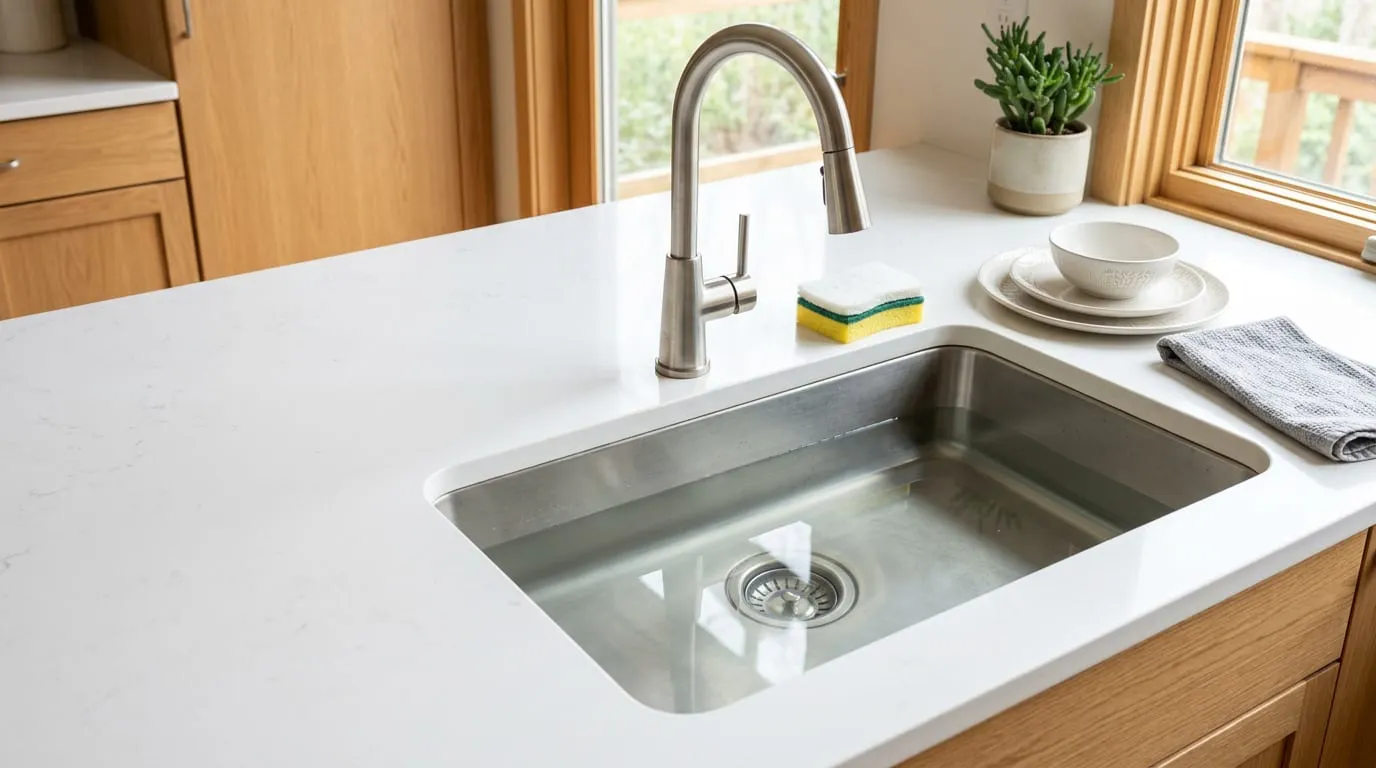
Kitchen Sink Drain Clogged: Grease, Food, and What Actually Works
Kitchen sink clogged? Learn how to clear grease and food buildup safely, when to clean the P-trap, and when a plumber is the smarter call.
Sep 30, 2026
Learn more
Bathtub Drain Clogged? Before You Call a Plumber, Try This First
Bathtub drain clogged? Start with this hair and soap-scum removal checklist, use the right tools safely, and know when a plumber is necessary.
Sep 30, 2026
Learn more
Baking Soda and Vinegar for Drains: Does It Actually Work?
Can baking soda and vinegar unclog a drain? Learn what this DIY method can help with, what it cannot fix, and safer options for real clogs.
Sep 30, 2026
Learn more