There’s a difference between a breaker that trips sometimes and one that flat out won’t stay on, no matter how many times you flip it. The first is a pattern to investigate. The second is a breaker actively refusing to let power flow, and it’s doing that because something is actively wrong right now, not because of a habit you can troubleshoot your way out of.
For the full diagnostic guide, see Circuit Breaker Keeps Tripping: What It Means and What to Do.
If your breaker won’t hold no matter what you try, stop flipping it and snap a photo in HomeFlash instead. We’ll walk through what’s actually happening and tell you whether this is safe to keep testing or something to call an electrician about tonight.
A breaker that trips after a few seconds, a few minutes, or after you plug something in is responding to a specific event. A breaker that won’t even hold the ON position for a moment, popping back to the middle the instant you release it, is responding to something that’s present continuously: an active short circuit, a severe ground fault, or a breaker that’s mechanically failed and can no longer hold its own contacts closed.
That last one matters more than people expect. Breakers are mechanical devices with a limited lifespan, particularly older thermal-magnetic breakers that have been tripped and reset many times over a decade or two. A breaker that’s simply worn out can fail in either direction: it can stop tripping when it should, which is the more dangerous failure, or it can stop holding at all, which is what you’re dealing with here.
An active short circuit. Somewhere on that circuit, a hot wire is continuously touching a neutral or ground conductor. Because the fault is constant rather than occasional, the breaker trips the instant current flows and can’t hold, no matter how carefully you reset it.
A severe ground fault. If this is a GFCI-protected circuit, the amount of current leaking to ground may be significant enough that the breaker trips instantly on every reset attempt, even with the RESET button. This is more serious than the “trips once in a while when it rains” pattern.
A failed breaker. Sometimes the wiring is fine and the breaker itself has worn out internally. This is common enough in panels over 20 to 25 years old, and it’s especially common in Federal Pacific Electric (FPE) Stab-Lok, Zinsco, and Challenger panels, which electricians and inspectors flag repeatedly for breakers that behave unpredictably, whether that means failing to trip during a real fault or failing to reset when they should.
You generally can’t tell the difference between an active short and a failed breaker just by watching it not reset; both look the same from the outside. What you can do is note a few details that will matter to whoever diagnoses it: whether the breaker gets warm, whether you smell anything, whether it’s an isolated breaker or part of an older panel where other breakers have also started acting up, and whether your panel is one of the known-risk brands. Those details are exactly what HomeFlash asks for when you send a photo, because they’re what actually separates the three causes.
Every reset attempt on a breaker that won’t hold sends a burst of current through a wire that already has a fault on it. That’s not building toward success on the tenth try; it’s repeating the exact event that’s already failing, on a circuit that hasn’t gotten any safer between attempts. According to the US Fire Administration, electrical failure or malfunction accounts for roughly 43% of residential electrical fires, more than any single other cause, and short-circuit arcing accounts for a large share of the rest. A breaker that won’t stay on is often the system’s way of refusing to let that fault keep happening, which is exactly the outcome you want, not a malfunction to work around.
A breaker that won’t hold is one of the faster things to diagnose, which is worth knowing if you’re bracing for a long, expensive visit. An electrician will typically isolate the circuit at the panel, then use a multimeter to test for continuity and resistance on the wiring itself, separate from the breaker, which tells them whether the fault is in the breaker or in the circuit it protects. If the wiring tests clean and the breaker still won’t hold when swapped for a known-good unit, the breaker itself was the failure. If the fault persists with a new breaker in place, the problem is downstream in the wiring or at a device, and the search moves to individual outlets, junction boxes, and connections along that circuit.
This is also why calling before you’ve done more than one or two reset attempts helps. Each additional attempt doesn’t add diagnostic information the electrician can use. It just repeats the event you’re trying to get diagnosed.
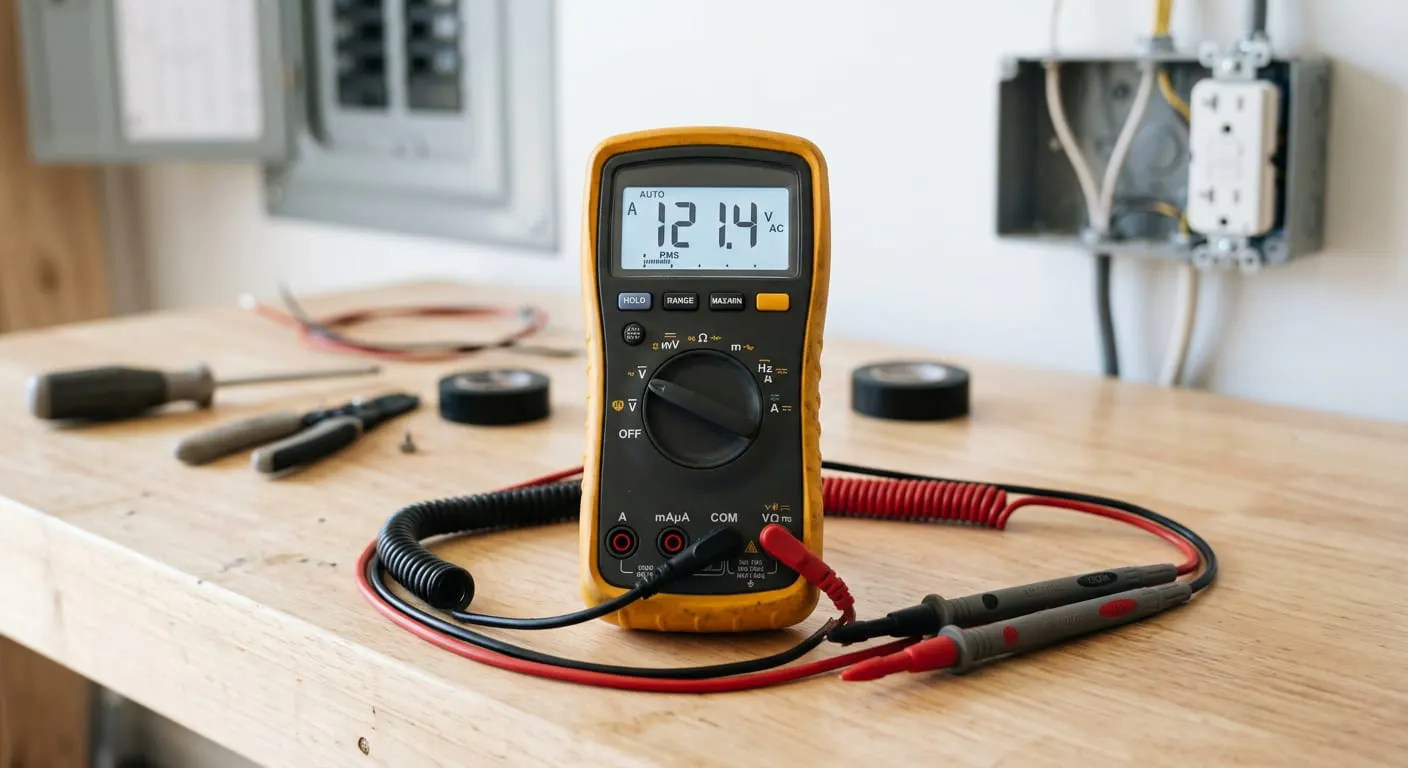
A circuit that won’t hold is inconvenient, and it’s normal to need a day or two to get an electrician scheduled. A few things that make that wait safer:
A breaker that won’t reset is one of the clearest signals in this entire guide, and also one of the easiest to misjudge without seeing it. Snap a photo in HomeFlash and get a straight answer on whether this is urgent tonight or can wait for a scheduled visit.
Return to the full Circuit Breaker Keeps Tripping guide, read How to Reset a Circuit Breaker for the correct reset procedure, or Signs Your Electrical Panel Needs to Be Replaced if this is one of several breakers acting up.
More plain-English repair guides from the HomeFlash library.

Breaker Keeps Tripping With Nothing Plugged In: What’s Happening
A breaker that trips with nothing plugged into the circuit isn’t an overload. Learn the real causes, including a full breakdown of arc fault (AFCI) tripping, and when to call an electrician.
Sep 30, 2026
Learn more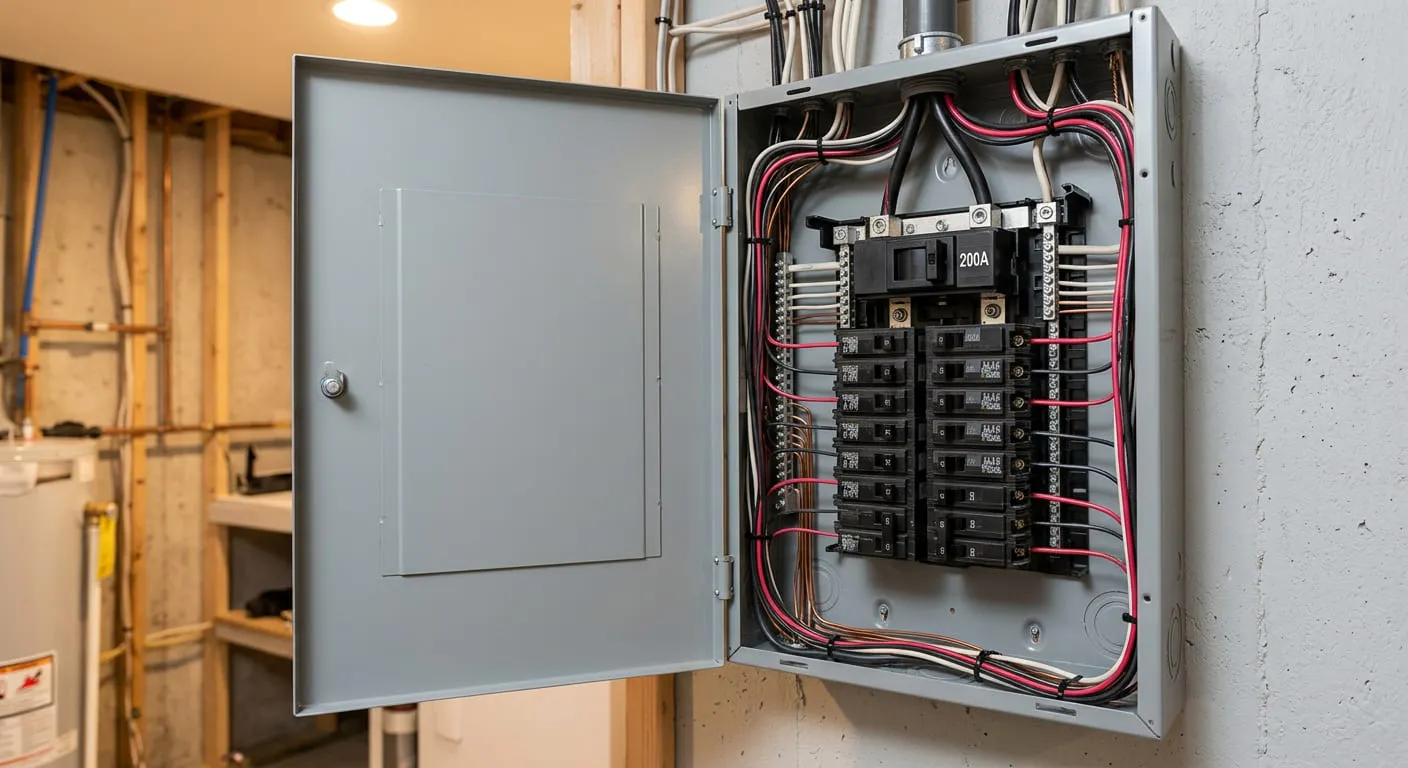
Why Does My Breaker Keep Tripping? The Real Answer
A tripping breaker isn’t always an overload. Here are the five real causes, how to tell them apart, and when a repeat trip means you need an electrician.
Sep 30, 2026
Learn more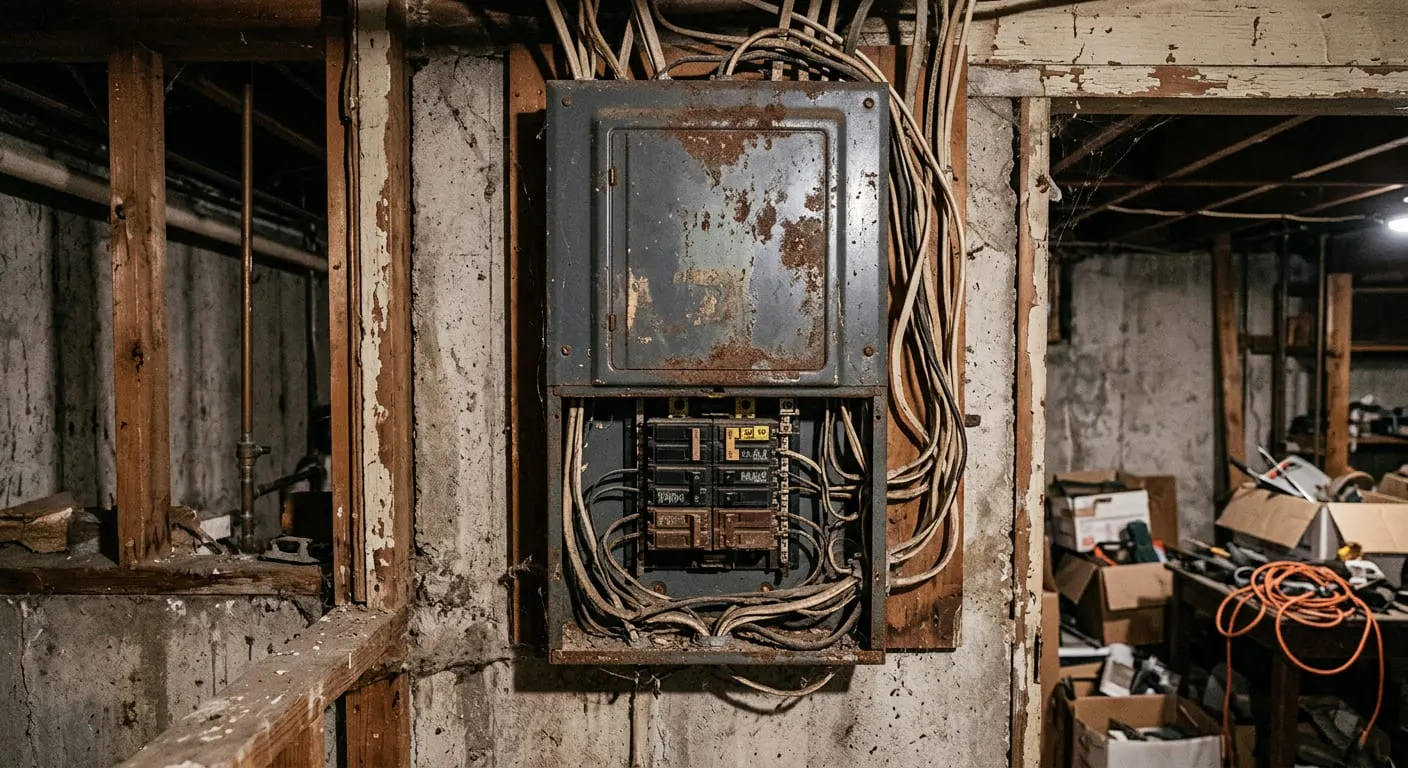
Signs Your Electrical Panel Needs to Be Replaced
Some breaker problems aren’t about the breaker at all. Learn the warning signs that your electrical panel itself needs replacing, including known-risk brands to check for.
Sep 30, 2026
Learn more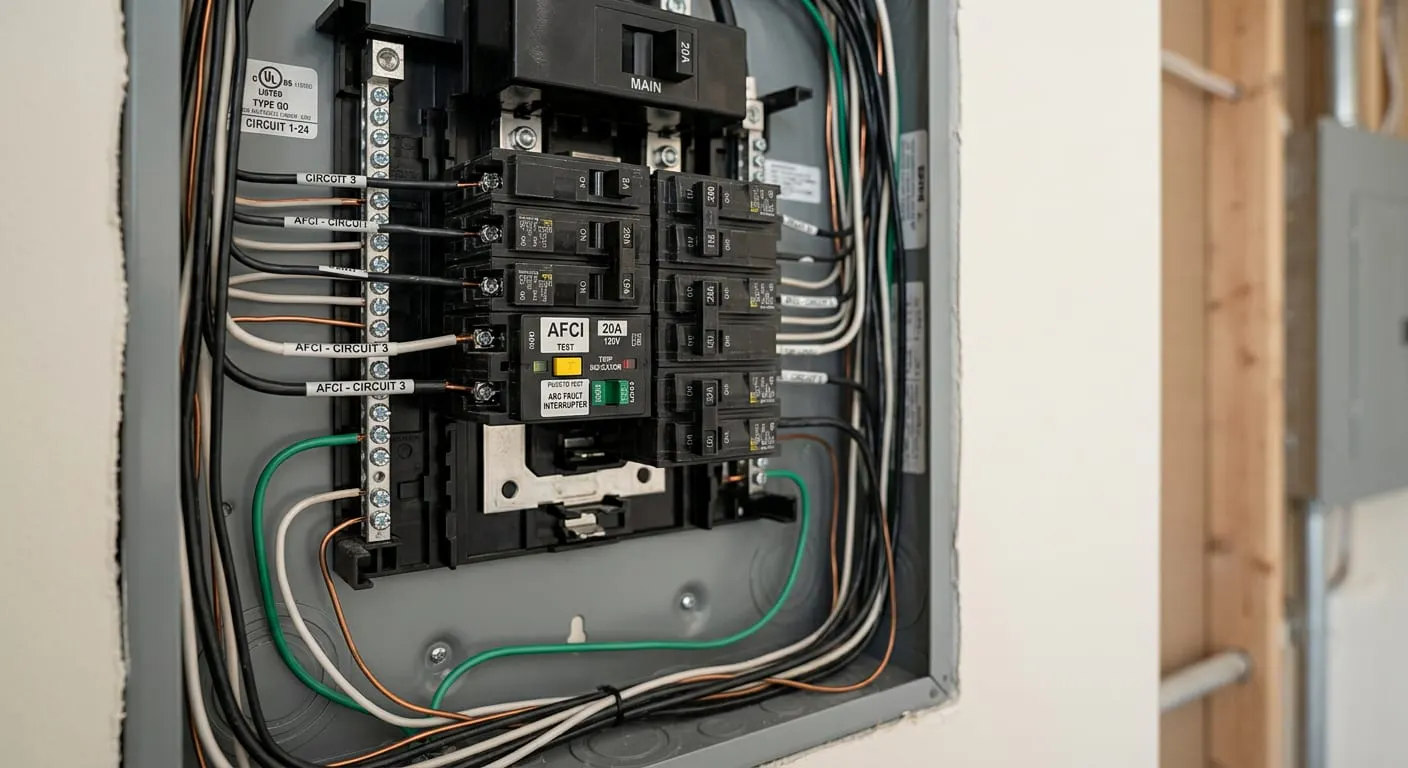
How to Reset a Circuit Breaker (And What to Do If It Won’t Stay On)
Learn the correct way to reset a tripped circuit breaker or GFCI outlet, why “off then on” matters, and the signs that mean you should stop resetting it and call an electrician.
Sep 30, 2026
Learn more