This is the version of a tripping breaker that makes people genuinely nervous, and it should. You’ve unplugged everything on the circuit, maybe even flipped off the light switch too, and the breaker still won’t hold. There’s no space heater to blame, no hair dryer, nothing obvious you did. If “unplug something and reset it” was ever going to be the answer, this isn’t that situation.
For the full diagnostic guide across every cause, see Circuit Breaker Keeps Tripping: What It Means and What to Do.
This is exactly the kind of situation HomeFlash was built for: no obvious trigger, no clear next step from a search result. Snap a photo of your panel and answer a few questions about what you’ve already tried. We’ll tell you if this is a wiring issue, a breaker issue, or something safe to keep watching.
If the circuit is genuinely empty and the breaker still trips, the fault is in the wiring or the breaker itself, not in anything you plugged in. That narrows it to three real possibilities.
A short circuit inside the wall, not at an outlet. Wiring can develop a short anywhere along its run: at a staple that was driven too tight decades ago, at a spot where a nail or screw later pierced the cable, or at a junction where the insulation degraded over time. None of that requires anything to be plugged in; the fault is in the wire itself.
An arc fault. If the affected circuit runs through an AFCI breaker, and most bedrooms, living rooms, and common areas built or rewired in the last two decades do, the breaker may be detecting the exact kind of intermittent electrical arcing it’s designed to catch. Arc faults come from things like a staple through a cable, a loose wire nut, or insulation that’s cracked with age, none of which need a device plugged in to cause a problem.
A failing breaker. Breakers wear out. A breaker that’s tripping below its rated load, or tripping on its own with no fault present at all, may simply have failed. This is more common in older panels and in the specific brands (Federal Pacific Electric Stab-Lok, Zinsco, Challenger) that electricians and inspectors flag repeatedly for exactly this kind of unreliable behavior.
A breaker tripping with an obvious cause is your system working. A breaker tripping with no cause at all means either the wiring or the breaker has developed a fault on its own, and it will not fix itself. According to the Electrical Safety Foundation International, arcing faults alone cause an estimated 28,000 home fires a year in the US, and the Consumer Product Safety Commission estimates that proper AFCI protection could prevent roughly half of all home electrical fires. That’s the exact category of problem an empty-circuit trip is most likely pointing to. Call an electrician.
Most people have never heard the term “arc fault” until an AFCI breaker starts tripping and they go looking for what it means. It’s worth understanding, because an AFCI breaker isn’t reacting to the same things a standard breaker reacts to.
Electrical arcing happens when current jumps across a gap it isn’t supposed to cross, like a small spark bridging a loose connection or damaged insulation, instead of flowing cleanly through the wire. A single tiny arc doesn’t trip a standard breaker, because it doesn’t pull enough current to look like an overload or a short. But repeated arcing generates heat in exactly the kind of hidden location, inside a wall, behind a receptacle, at a staple that’s been pinching a cable for a decade, where a fire can start well before anyone notices anything wrong. An arc fault circuit interrupter (AFCI) is built specifically to detect that pattern and cut power before it becomes heat. The National Electrical Code requires AFCI protection in bedrooms, closets, kitchens, laundry areas, living rooms, family rooms, recreation rooms, and dens, which covers most of the square footage in a typical home.
Telling a nuisance trip from a real one is genuinely hard from the outside, which is the honest answer. A few things worth noting: does it trip only when a specific device is running (more likely a device issue), or randomly with no pattern (more likely a wiring issue)? Is it always the same breaker, or one that’s never given you trouble before? Has anything changed recently, a renovation, a new appliance, work done in that part of the house?
It’s technically possible to replace an AFCI breaker with a standard one to make the tripping stop. Don’t. That removes exactly the safeguard most likely to catch the kind of fault that starts a fire before anyone smells smoke, and it may violate your local electrical code besides. Instead: note which breaker is affected and what’s usually running when it trips, unplug devices on that circuit one at a time to isolate a device cause, and if it keeps tripping with the circuit empty or the pattern seems random, treat it as a wiring issue and call a licensed electrician. AFCI trips are one of the categories where “probably fine” isn’t a great gamble.
Ask a general AI chatbot “why does my breaker trip with nothing plugged in” and you’ll typically get a version of the causes above, because that information is publicly available and well documented. What it can’t do is look at a photo of your specific panel, recognize a known-risk brand, or ask the follow-up questions that actually separate “watch it for a day” from “call someone tonight.” A 2026 Stanford study found that leading AI chatbots agreed with users about 50% more often than actual humans did on questions where the human consensus was that the user was wrong, which is the opposite of what you want from a tool you’re asking whether it’s safe to keep resetting something. HomeFlash asks the follow-up questions and gives you a specific answer.
An empty circuit that still trips is one of the clearest signals your panel can give you, and one of the easiest to get wrong by guessing. Snap a photo in HomeFlash and find out what you’re actually dealing with before you decide whether it can wait. If it can’t, we have top-rated electricians in your area you can call immediately.
Return to the full Circuit Breaker Keeps Tripping guide, or read Signs Your Electrical Panel Needs to Be Replaced if you suspect the panel itself.
More plain-English repair guides from the HomeFlash library.
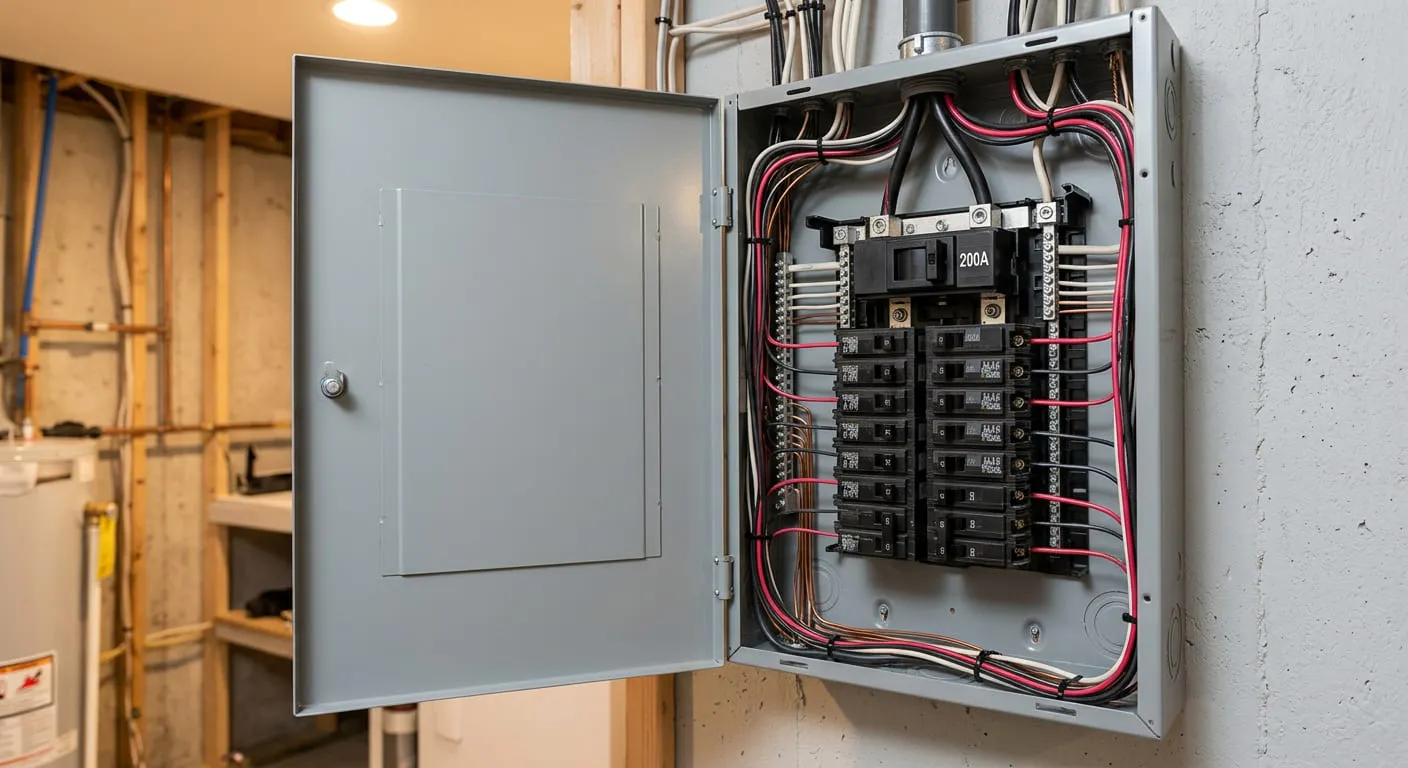
Why Does My Breaker Keep Tripping? The Real Answer
A tripping breaker isn’t always an overload. Here are the five real causes, how to tell them apart, and when a repeat trip means you need an electrician.
Sep 30, 2026
Learn more
Circuit Breaker Won’t Reset or Stay On: What It Means
A breaker that won’t stay reset is different from one that trips occasionally. Learn what it means, why it happens, and when to stop trying and call an electrician.
Sep 30, 2026
Learn more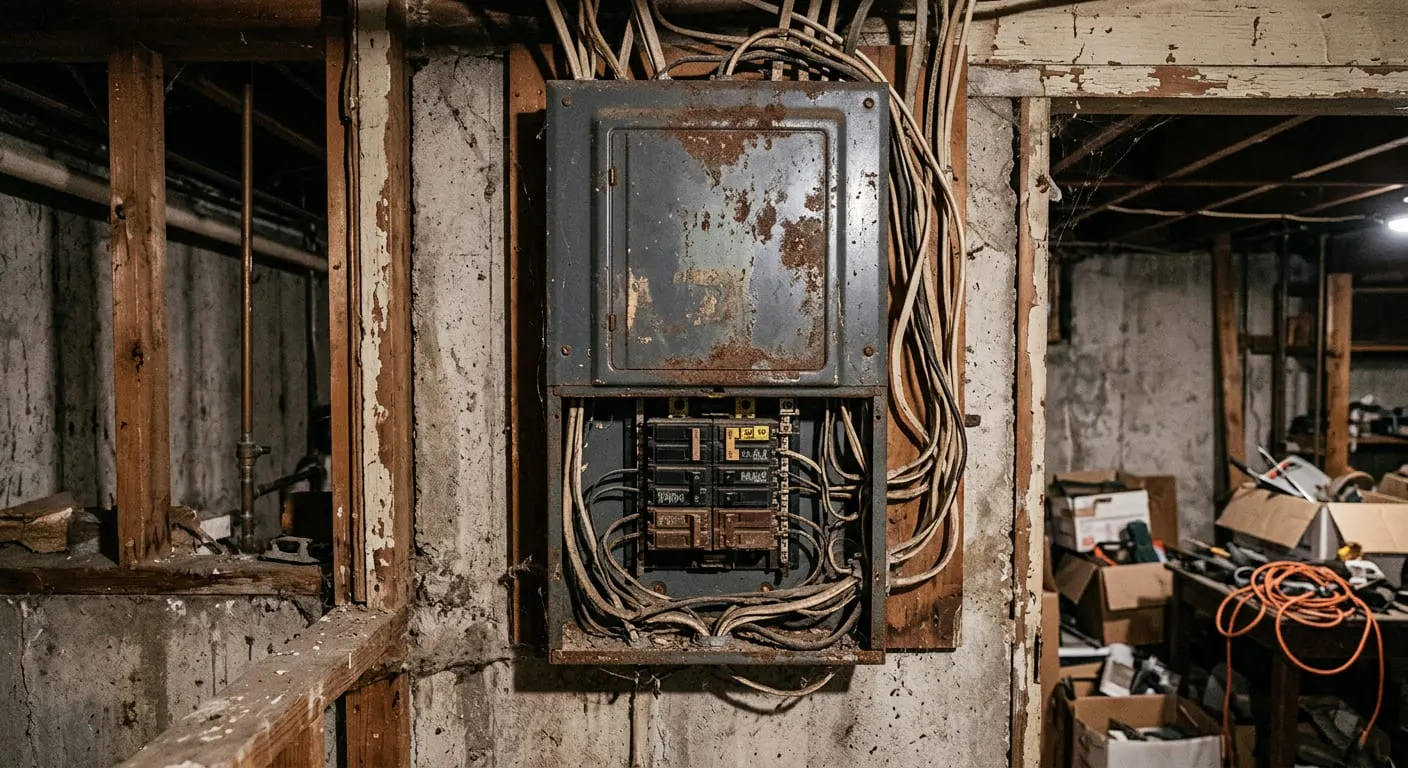
Signs Your Electrical Panel Needs to Be Replaced
Some breaker problems aren’t about the breaker at all. Learn the warning signs that your electrical panel itself needs replacing, including known-risk brands to check for.
Sep 30, 2026
Learn more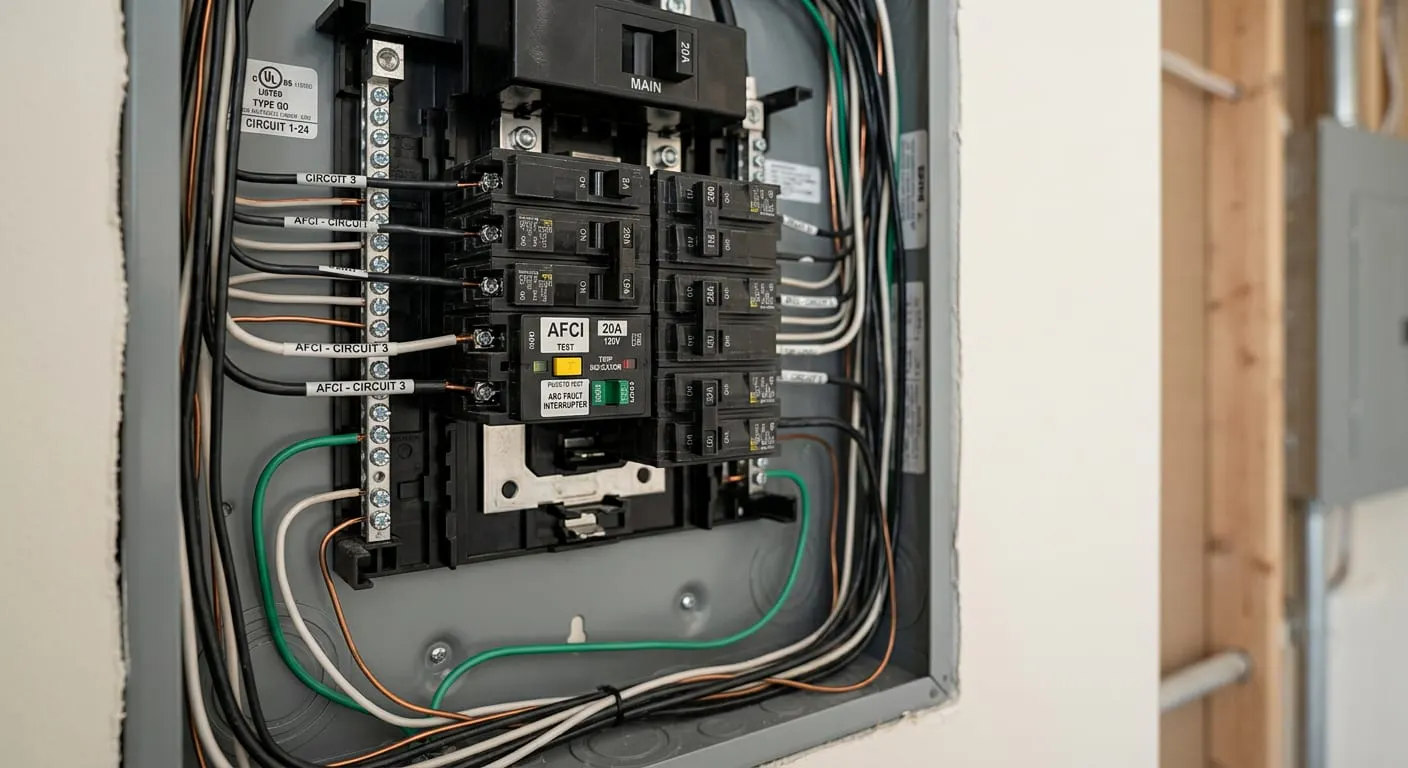
How to Reset a Circuit Breaker (And What to Do If It Won’t Stay On)
Learn the correct way to reset a tripped circuit breaker or GFCI outlet, why “off then on” matters, and the signs that mean you should stop resetting it and call an electrician.
Sep 30, 2026
Learn more